How Do Dental Implants Work? A Step-by-Step Guide

If you've been living with a missing tooth—or you're facing an extraction and weighing your options—dental implants are likely on your radar. They're widely regarded as one of the most durable, natural-feeling tooth replacement solutions available today. But if you've ever asked yourself how do dental implants actually work?, you're not alone. The process involves several carefully sequenced steps, and understanding each one can make the whole journey feel far less intimidating.
At Comfort Care Dental in Idaho Falls, we believe an informed patient is a confident patient. Whether you're just starting your research or you're close to scheduling your first appointment, this guide walks you through the dental implant process from start to finish. You can also explore our dental implants service page for a full overview of what we offer.
What Is a Dental Implant?
A dental implant is a small titanium post that is surgically placed into the jawbone to serve as an artificial tooth root. Once it integrates with the bone, a custom-made crown is attached on top, creating a replacement tooth that looks, feels, and functions like a natural one. Unlike dentures, implants are fixed in place and don't require adhesives or removal at night. Unlike a dental bridge, they don't rely on neighboring teeth for support.
Step 1: Initial Consultation and Treatment Planning
Every implant journey begins with a thorough consultation. Your dentist will review your medical and dental history, take X-rays or 3D imaging, and evaluate the health of your jawbone and surrounding gum tissue. This step determines whether you're a good candidate for implants right away—or whether preparatory work, such as a bone graft, is needed first.
Bone volume matters because the implant post needs sufficient bone to anchor into. If bone loss has occurred due to tooth loss or gum disease, a bone grafting procedure may be recommended before moving forward. This adds a few months to the overall timeline but significantly improves the long-term success of the implant.
Step 2: Tooth Extraction (If Needed)
If the tooth being replaced is still present, it will need to be extracted before or at the time of implant placement. In some cases, an implant can be placed immediately after extraction—a technique your dentist will discuss with you based on your specific situation. Recovery from an extraction is typically straightforward, and our team will give you detailed aftercare instructions to support healing.
Step 3: Implant Post Placement
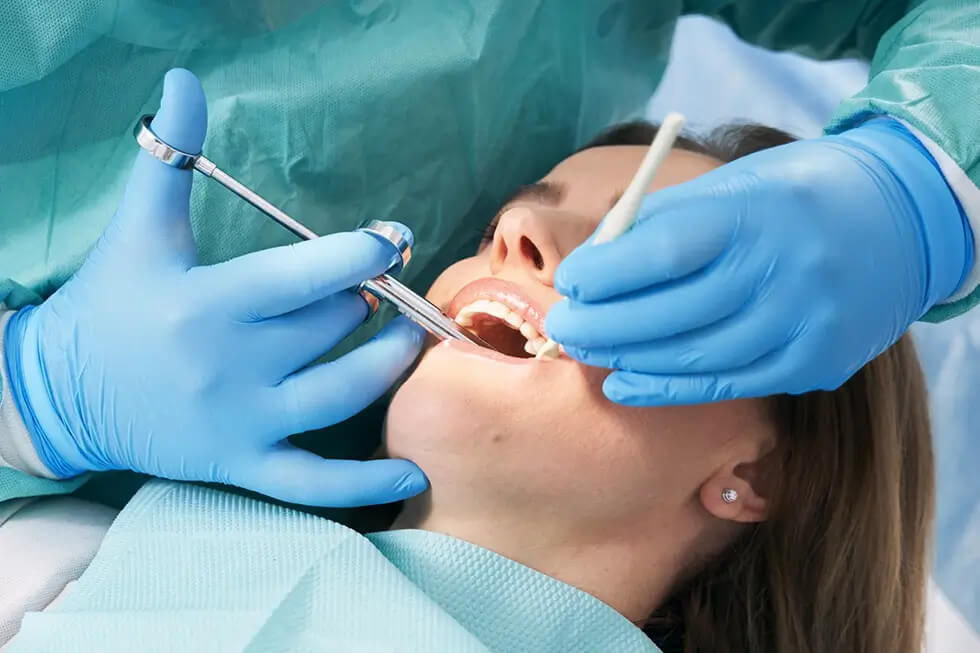
Once your mouth is ready, the titanium implant post is surgically placed into the jawbone at the site of the missing tooth. This is an in-office procedure performed under local anesthesia. For patients who experience anxiety about dental procedures, sedation dentistry options are available to help you stay comfortable throughout.
The placement itself is more straightforward than many patients expect. A small incision is made in the gum, the post is inserted into the bone, and the gum tissue is gently sutured closed. Most patients report that the procedure is much easier than they anticipated.
Step 4: Osseointegration — The Healing Phase
After placement, the implant enters a critical healing phase called osseointegration. This is the process by which the titanium post fuses with the surrounding jawbone, creating a stable, permanent foundation. This phase typically takes several months, during which you'll attend follow-up appointments so your dentist can monitor your progress.
During this time, it's important to maintain good oral hygiene, avoid putting excessive pressure on the implant site, and follow any dietary guidelines your dentist provides. The sibling post Dental Implant Healing Process: What Idaho Falls Patients Can Expect covers this phase in much greater detail if you'd like a deeper dive.
Step 5: Abutment Placement
Once osseointegration is complete, a small connector piece called an abutment is attached to the top of the implant post. The abutment protrudes just above the gum line and serves as the anchor point for your final restoration. In some cases, the abutment is placed at the same time as the implant post; in others, a minor second procedure is required. Your dentist will determine the best approach for your situation.
Step 6: Crown Placement and Final Restoration
The final step is the placement of your custom dental crown. Impressions or digital scans of your mouth are taken and sent to a dental lab, where your crown is crafted to match the size, shape, and color of your surrounding teeth. Once ready, the crown is secured to the abutment—completing your new tooth.
The result is a restoration that blends seamlessly with your smile and restores full chewing function. With proper care, implants are designed to be a long-term solution. The sibling post How Long Do Dental Implants Last? explores what you can do to protect your investment over time.
Is a Dental Implant Right for You?
Dental implants are an excellent option for many adults, but candidacy depends on factors like overall health, bone density, and gum health. The sibling post 5 Signs You Need a Dental Implant can help you recognize whether this solution might be right for your situation. If you're comparing implants to other tooth replacement options, our guide on dental bridges vs. implants breaks down the differences clearly.
Frequently Asked Questions
Does getting a dental implant hurt?
Most patients are surprised by how manageable the procedure is. Local anesthesia is used during placement to keep you comfortable, and any post-procedure soreness is typically mild and short-lived. Sedation options are also available for patients who feel anxious about the process.
How long does the entire dental implant process take?
The timeline varies depending on your individual needs. If no preparatory work is required, the process from placement to final crown can take anywhere from three to six months. Cases requiring bone grafting or other preliminary treatment will take longer.
Can anyone get a dental implant?
Most healthy adults with adequate bone density are good candidates. Certain medical conditions or medications may affect candidacy, which is why the initial consultation is so important. Your dentist will review your full health history before recommending a treatment plan.
How do I care for a dental implant after it's placed?
Implants are cared for much like natural teeth—regular brushing, flossing, and professional cleanings are essential. Avoiding habits like smoking and protecting the implant from excessive force (such as grinding) also supports long-term success.
Does Comfort Care Dental offer dental implants in Idaho Falls?
Yes. Our Idaho Falls team provides dental implant consultations and placement as part of our surgical dentistry services. We're located at 3550 Washington Pkwy, Idaho Falls, ID 83404, and we're happy to answer any questions you have before your first visit.
Ready to take the first step toward a complete, confident smile? Call Comfort Care Dental at (208) 419-3702 or request an appointment online to schedule your dental implant consultation in Idaho Falls. Our team is here to guide you through every stage of the process with care and transparency.